Lessons From a Dangerous Day on the Gunpowder
Two of our members recently met up for a casual day of fishing on the Gunpowder River in Maryland and encountered a situation that reminds us all why it is important to have a plan, fish with a partner, stay calm in a stressful situation, and let someone know where you’ll be.
CWA members Kristen and Jeni decided the forecast looked good and were eager to get back on the water after a fishing drought. They had postponed their fishing by a day owing to a weather forecast that warned of rain.
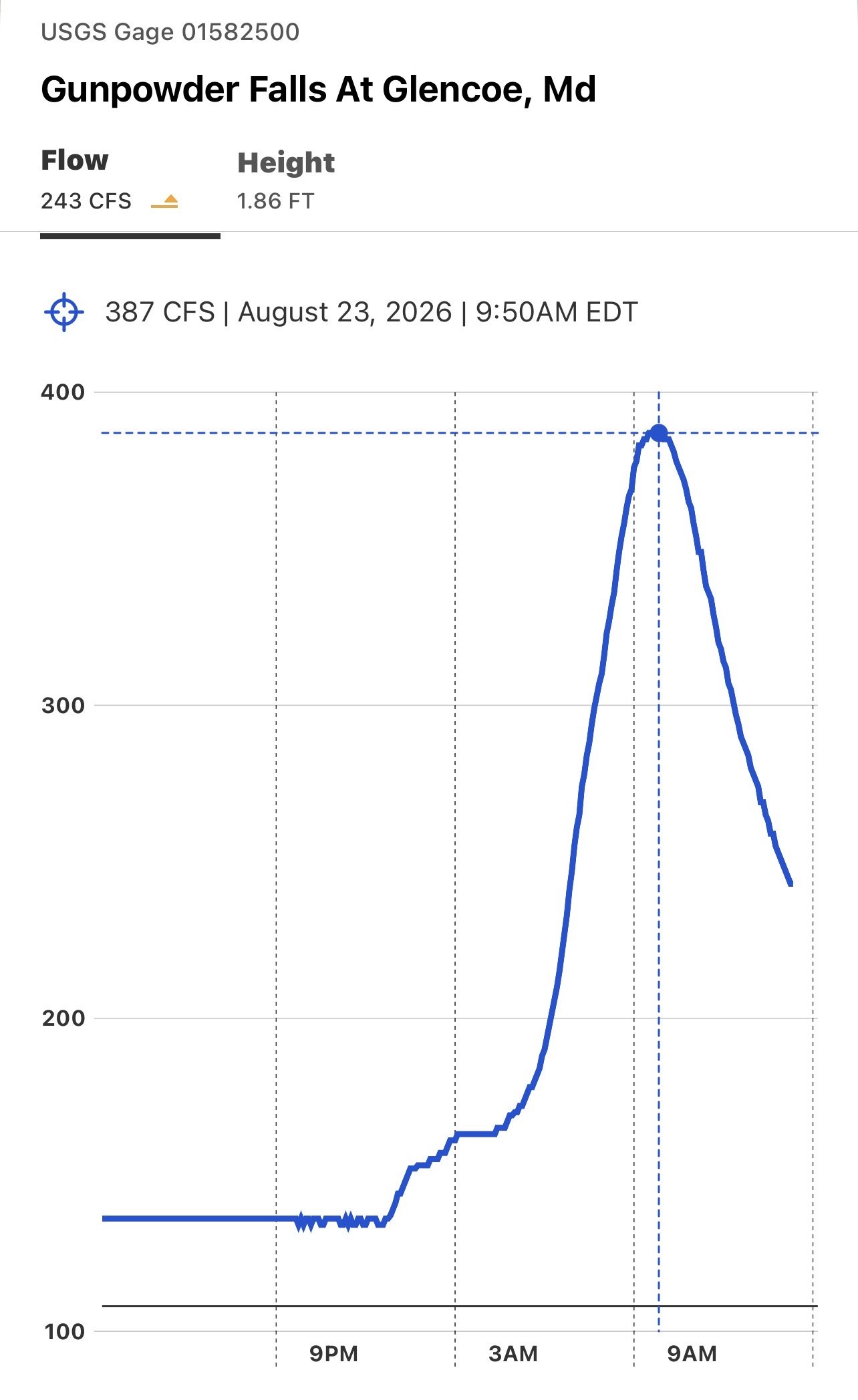
The night before they headed out, it rained hard. All night. But at 4:30am, when Kristen woke up and checked the USGS stream gauge on the river, conditions looked favorable. It was flowing right around 160 CFS. Generally anything less than 150 is a good spot to be on the Gunpowder.
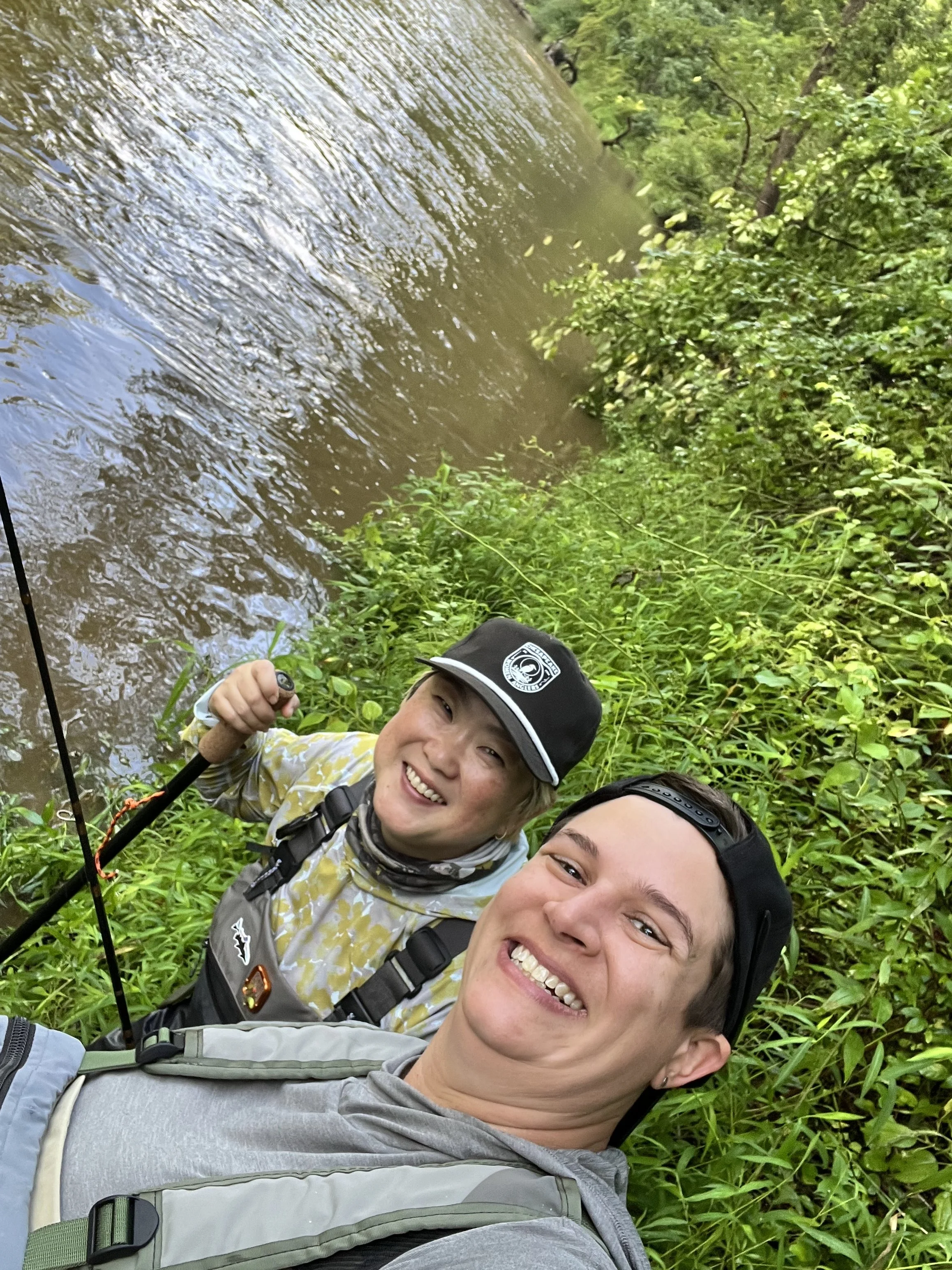
They met up at 7am near Monkton station and Jeni reported that the river was high and heavily discolored. But they geared up and headed out, hoping they could still make a good day of it.
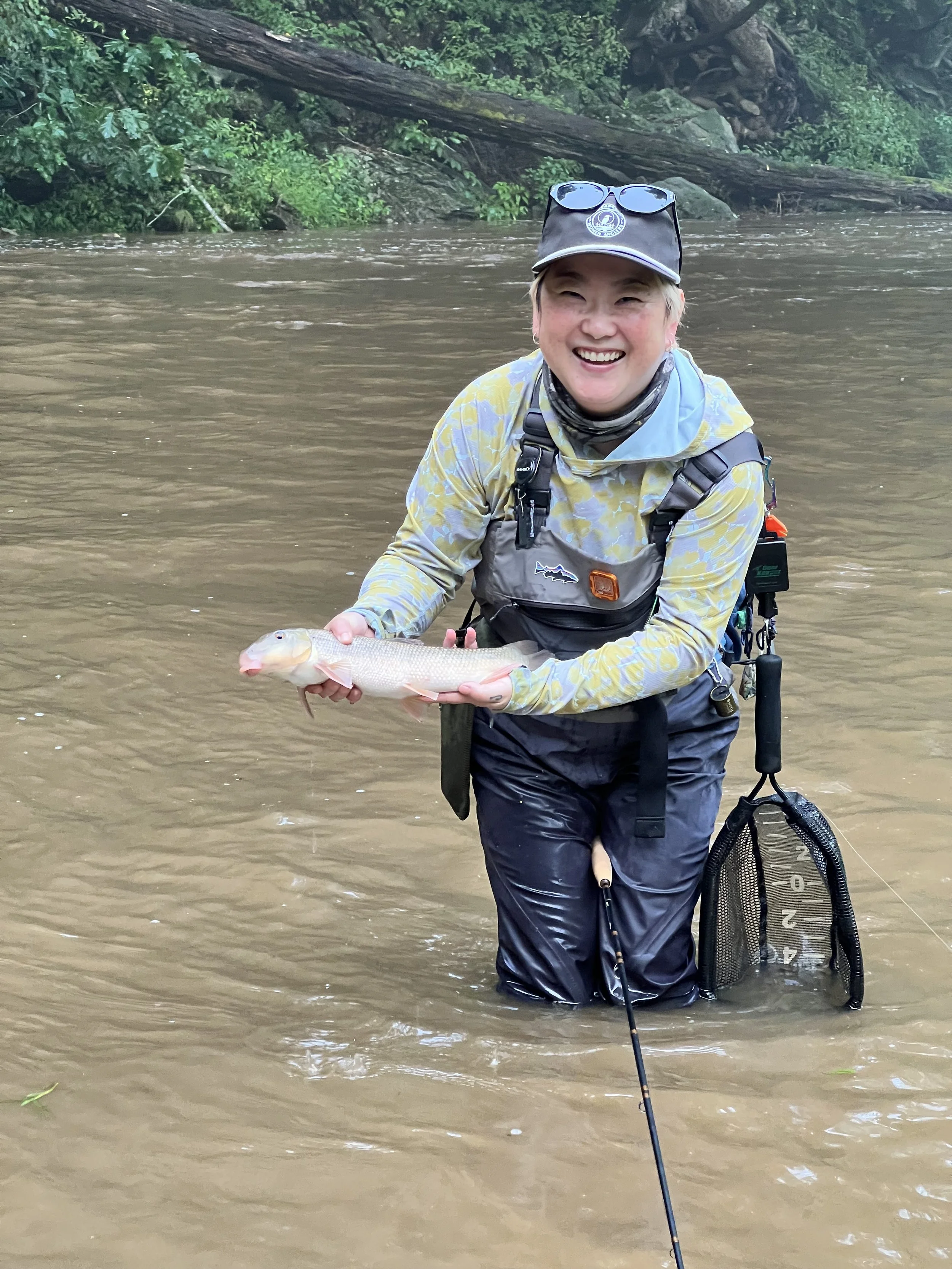
It was impossible to see into the water (demonstrated by the fact that Kristen would later inadvertently kick into a fall fish that was laying on the bottom of the river, giving both her and the fish quite the start!). Jeni had been to the spot before, so she knew the stream topography even though they couldn’t see it. They carefully waded out across the river and to a bank with a deep hole that holds fish.
It was hard going. Jeni caught a big fall fish, but the trout were having nothing to do with them.
After a little more than an hour, they decided to head up stream in search of some shallower water.
It took almost 90 minutes of hard — and at times dangerous — work for them to exit the river safely.
Unbeknownst to them, in the time they’d been in the river fishing, the flow had climbed to almost 400 CFS discharge. They walked up stream along a bank looking for a safe crossing spot near an exit. They made several attempts to cross slowly, but when the water got to thigh-level, it was impossible to walk forward. They were quite literally being blown back by the river current.
It was gnarly. But after several failed attempts, they eventually found a spot where the stream widened, meaning the water was a little slower in this stretch. It took almost 10 mins to get across, but finally they did. Once they crossed, it was another 20 mins of precarious movements to finally arrive at a steep embankment that they were able to climb up.
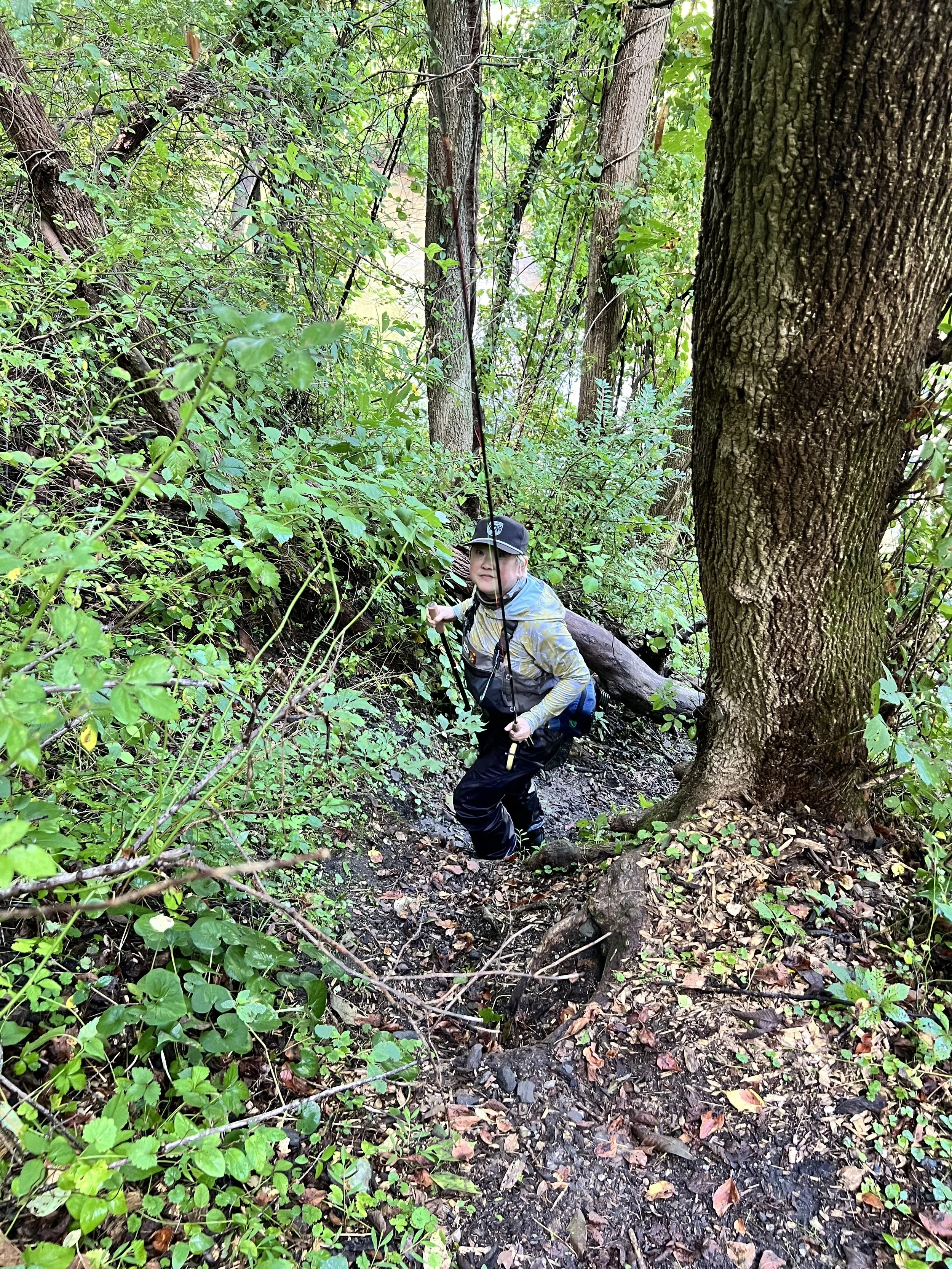
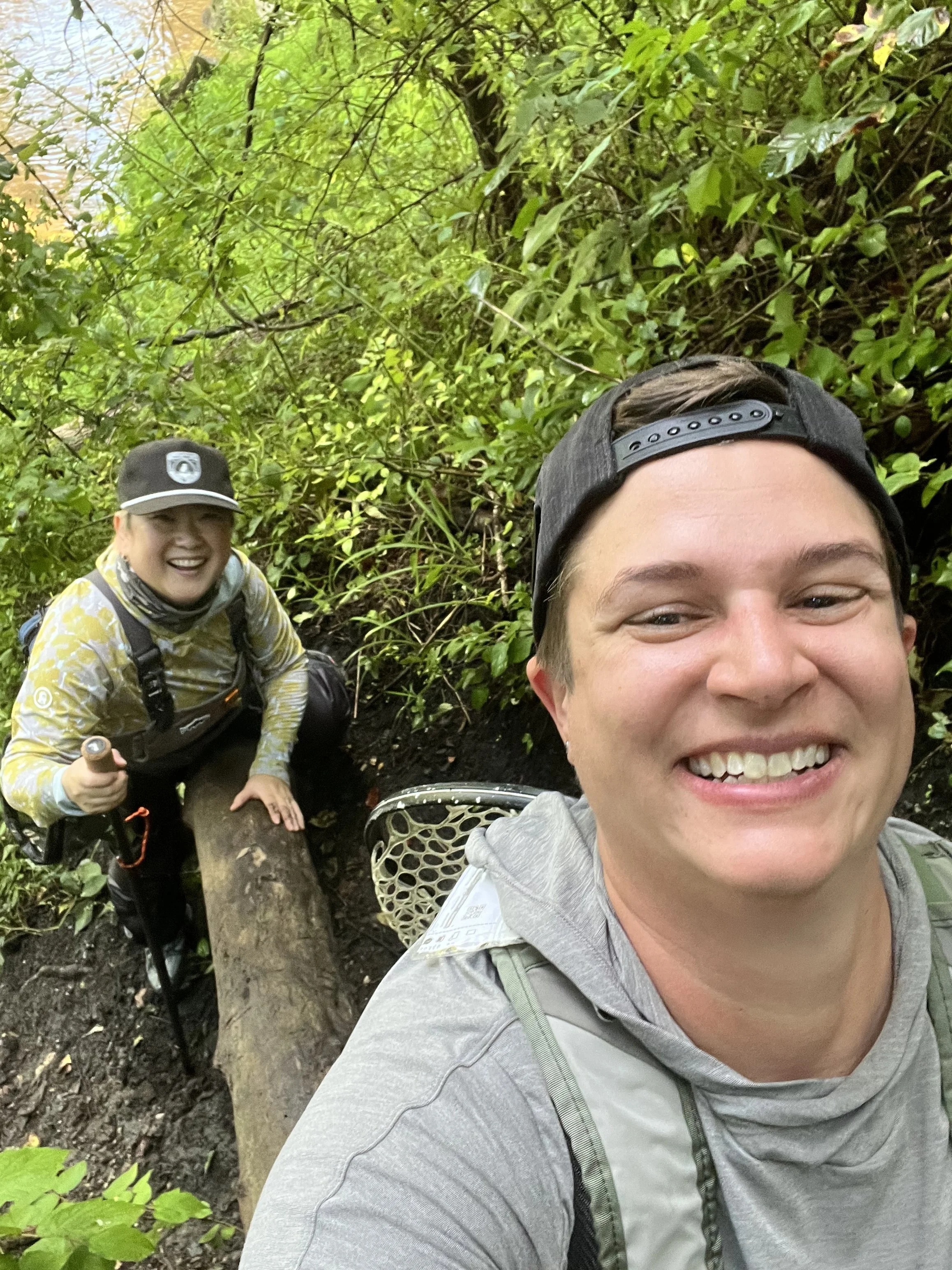
Relieved to be back on the trail, they high-fived surviving the wade and remarked that this was the most dangerous situation either had been in while fishing.
So what can we learn?
Fish with a partner. Even if you aren’t going out on a CWA event, chances are, you can find another member who would be willing to fish with you.
Carry a wading staff. Arguably that is the only reason they survived this adventure!
Let someone know where you are going before you head out and when to expect you back
Consider emergency communication devices in case of a serious emergency. A twisted ankle would have made a hard situation really dangerous, likely requiring professional rescue.
Pace yourself. While it was hard work, Jeni and Kristen were both humble enough to retreat when the water was too strong. They plodded along looking for another, safer alternative exit until they found one. Take your time!
Check stream gauges early and often! And bail out if the water gets too strong.
Thanks to Jeni and Kristen for sharing their story so that we can learn from it and be safer anglers!